From London’s Coffeehouses to Social Media: The Power of Information
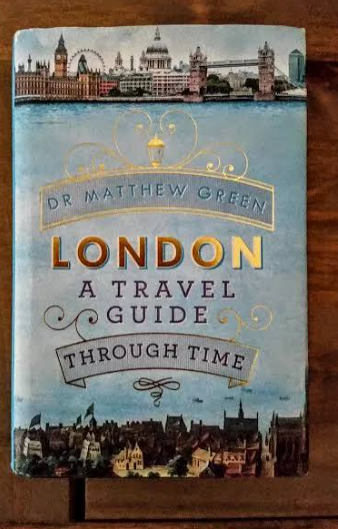
London: A Travel Guide Through Time by Matthew Green is a fascinating book that brings London's past to life. His writing reminds me somewhat of the Japanese historian Nanami Shiono's storytelling style. Reading it feels like travelling through time, with vivid details that make the past feel almost tangible.
Imagine seventeenth-century London: filthy streets, noisy coffeehouses, coffee that was almost impossible to swallow, and crowds of people who loved to argue. One particularly fascinating part of the book describes how people gathered in coffeehouses to exchange ideas, knowledge, and information.
The author explains that people engaged in face-to-face conversations and even heated debates, yet they were expected to remain polite, avoid unnecessary words, and refrain from inappropriate jokes. They had to be civil, witty, and articulate, making sure their words carried substance.
This made me think of people today who hide behind their keyboards. Because they are not speaking face to face, they often feel free to vent their emotions without restraint, sometimes losing their sense of dignity and civility in the process.
In some ways, the coffeehouses of that era were the YouTube channels and Instagram platforms of our time. The settings have changed. Technology has brought us civilisation in many ways, yet it seems to have also taken us a step backwards in others.
I was also struck by how fascinated people in those coffeehouses were by news from distant countries and foreign lands. Those who brought and shared such news were always welcome. The newspaper industry also began to develop during this period.
This, I believe, is the power of information.
Entrepreneurs with a keen business instinct began hiring better editors and journalists to gather news faster, investigate stories more deeply, conduct interviews, and offer different perspectives. Many people built considerable fortunes during that era.
These were fortunes created through the circulation of information.
Today, newspapers are gradually being replaced by the internet. Yet the fundamental principle of business remains unchanged: the value lies in the ability to gather, interpret, and the communicate information.
I’ve really enjoyed reading this book together with my mum. The author’s wit and humour have given us so many moments of laughter.
During the holidays, our casual conversations and discussions about the ideas in the book sparked many thoughts about composing a symphony for London.
I would love to have the opportunity to sit down with the author one day and learn from him in person. And even more, I hope he might come to one of my concerts and hear my music come to life.